Woking town centre rubbish removal guide for landlords
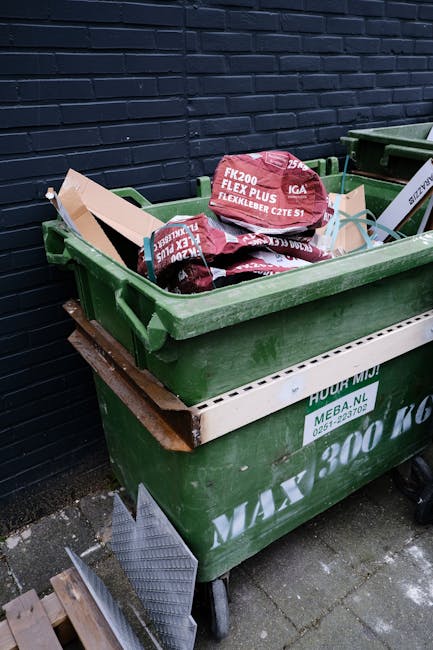
If you manage rental property in Woking town centre, rubbish removal can become a headache very quickly. One check-out day and suddenly there are broken chairs, old mattresses, bin bags left in cupboards, and the odd appliance nobody admits owning. This Woking town centre rubbish removal guide for landlords is here to make the process clearer, calmer, and far less last-minute. It explains how to plan a clear-out, what to expect from professional waste collection, where landlords usually get caught out, and how to keep costs, compliance, and tenant handovers under control.
Truth be told, most landlords do not need more theory. They need a clean, workable plan. So that is what this guide focuses on: practical steps, sensible decisions, and the small details that save time on a wet Wednesday when the keys are due back by five.
- Why it matters
- How it works
- Key benefits and practical advantages
- Who this is for and when it makes sense
- Step-by-step guidance
- Expert tips for better results
- Common mistakes to avoid
- Tools, resources and recommendations
- Law, compliance, standards, or best practice
- Options, methods, or comparison table
- Case study or real-world example
- Practical checklist
- Conclusion
- Frequently asked questions
Why Woking town centre rubbish removal guide for landlords Matters
Woking town centre is busy, compact, and often time-sensitive. Landlords there deal with a slightly different kind of rubbish problem than someone managing a larger suburban property. Access can be tighter. Tenancy turnarounds can be quicker. There may be flats above shops, shared entrances, limited parking, and neighbours who are not thrilled by a hallway full of discarded furniture at 8am.
That combination matters because a rubbish removal job is never just about taking things away. It affects void periods, re-letting timelines, deposit deductions, compliance, tenant goodwill, and the condition of the property when the next occupant walks in. You want the flat or house to feel ready, not merely emptied.
A well-run clearance also protects the value of the asset. If rubbish sits in a property for too long, it can create smells, pest issues, damp risks, or simple wear and tear from items being dragged through corridors. A mattress left leaning in a hallway for a week sounds harmless enough. Then it rains, someone trips, and suddenly the problem is larger than the original mess. A bit annoying, really.
For landlords who manage several units, rubbish removal is part of operational discipline. It is not glamorous, but it keeps turnaround smooth. If you also manage offices or mixed-use units, it may help to look at business waste removal alongside residential clearance options, especially where the property use changes over time.
How Woking town centre rubbish removal guide for landlords Works
In practical terms, landlord rubbish removal in Woking town centre usually follows a simple pattern: identify what needs to go, separate anything sensitive or hazardous, choose the right collection method, and arrange for responsible disposal. The difference between a smooth job and a messy one often comes down to planning the access and the waste type before anyone turns up.
Most professional clearances start with a description of the load. That might be a few bulky items after a tenancy, a full flat clearance, leftover builder's waste after a refresh, or a mix of furniture, bags, and appliances. The clearer the list, the better the quote and the better the scheduling. Nobody enjoys a surprise fridge on arrival, least of all the crew doing the lifting.
When a property is in a town-centre block, it is usually worth thinking about stair access, lift restrictions, parking windows, and whether the item stack needs to be broken down before removal. If you know the flat is on the fourth floor and the lift has a habit of being out of order, say so early. That small detail can change the whole logistics of the job.
For landlords clearing a rented flat, a dedicated flat clearance service is often the most efficient route. If the property has a mix of old beds, wardrobes, and soft furnishings, services such as mattress and sofa disposal and furniture disposal can be especially useful. For larger end-of-tenancy jobs, house clearance or home clearance may be the better fit.
Key Benefits and Practical Advantages
A good rubbish removal plan saves more than time. It reduces friction. That is the real benefit. When a property is returned in poor shape, landlords often feel pressure to get it back on the market fast, and that pressure makes mistakes more likely. A reliable clearance process helps you stay in control.
- Faster void turnaround: rubbish is removed in one go rather than over several trips.
- Better presentation for viewings: a clean property photographs better and feels more ready to let.
- Less physical hassle: no need for landlords or letting agents to lift heavy items themselves.
- Lower risk of neighbour complaints: especially important in shared buildings and town-centre blocks.
- More consistent compliance: waste is handled in a more controlled way.
- Improved cost control: you can match the clearance method to the actual load instead of overpaying for an oversized option.
There is also a less obvious benefit: confidence. Once you know the property has been professionally cleared, you can move on to cleaning, repairs, redecoration, and re-marketing without that nagging thought that a cupboard somewhere still hides a bag of old paperwork or a broken lamp.
Some landlords also use clearance as a chance to refresh the property properly. For example, an end-of-tenancy clear-out may reveal that a previous tenant left behind an appliance, a stained rug, or a bulky item that makes no sense to store. In those cases, a linked service such as fridge and appliance removal can tidy up the final bits quickly.
Who This Is For and When It Makes Sense
This guide is mainly for landlords, but it is also useful for letting agents, block managers, property investors, and anyone responsible for an occupied or vacant rental unit in Woking town centre. If you are handing over a flat after a tenancy, dealing with a probate-related move, or clearing a property between lets, this is for you.
It makes particular sense when:
- a tenant has left unwanted furniture or general rubbish behind
- a flat needs clearing before cleaning and decorating
- you are managing multiple units and need a repeatable process
- the property has awkward access, shared hallways, or parking constraints
- you want to avoid mixing ordinary rubbish with bulky items, appliances, or special waste
- the landlord or agent simply does not have time to coordinate multiple collections
If the situation is a whole-property emptying rather than a few items, a broader clearance option may suit better. For garages, lofts, or storage spaces left full after a tenancy, services such as garage clearance and loft clearance can help. In practice, landlords often need a mix of them. That is normal.
And yes, sometimes it is a little awkward. You may be asking whose chair is whose while standing in a hallway with three bin bags and a broken desk. Happens more than people admit.
Step-by-Step Guidance
The best way to handle rubbish removal in a town-centre rental is to work through it in order. A tidy sequence keeps the job efficient and avoids rushed decisions on site.
- Walk the property first. Make a simple inventory of what needs removing. Note bulky items, bagged waste, loose contents in cupboards, and anything questionable.
- Separate special items. Identify appliances, mattresses, sofas, electronic equipment, sharp materials, or anything that may need special handling.
- Check access. Look at parking, stairways, lift use, loading points, and any time restrictions in the building.
- Decide the scope. Is it a single-room clear-out, a full flat clearance, or a property reset after long-term vacancy?
- Request a quote with clear detail. Include photographs if possible, especially for mixed loads or heavier items.
- Book the collection at the right time. Try to align it with check-out, inventory, cleaning, or maintenance work.
- Prepare the space. Put aside anything the landlord is keeping, such as documents, keys, or fittings.
- Confirm disposal expectations. Ask how reusable items, recyclables, and residual waste are likely to be handled.
- Carry out a final sweep. Check cupboards, under beds, balconies, and storage spaces before the crew leaves.
- Follow up on the next task. Cleaning, repairs, and re-letting usually go faster once the junk is gone. Funny how that works.
If the job involves builders' debris after a refresh, use a more appropriate service such as builders waste clearance. A refurb job generates a different kind of load from tenant leftovers, and it is better to separate them conceptually from the start.
Expert Tips for Better Results
After enough landlord clearances, a few patterns become obvious. The jobs that go smoothly are usually the ones where someone thought ahead by ten minutes. Not glamorous, but useful.
- Photograph everything before disposal. This helps with records, deposit discussions, and internal handover notes.
- Be honest about volume. A small underestimation can turn into a long job if the team arrives expecting half a van and finds a full one.
- Separate breakable from reusable. If something could be donated, reused, or recycled, keep it distinct from general waste where possible.
- Flag any awkward items early. Old sofas, American-style fridges, broken wardrobes, and heavy office chairs all change the lift profile.
- Coordinate with cleaners. Clearing first and cleaning second is usually the right order, though there are odd exceptions.
- Use one responsible contractor where possible. Fewer handoffs means fewer delays.
One small but important point: if a property has confidential papers, never just throw them into the general mix. Secure handling matters. For landlords who occasionally find tenant records, bank letters, or old tenancy files, confidential shredding is a more sensible option than a bag-and-hope approach.
Another practical tip is to ask whether items can be separated by room. It sounds minor, but it helps a lot in end-of-tenancy disputes. If the tenants left behind a sofa in the lounge and the bedroom cupboards were also full, room-based notes make handover conversations cleaner. Less noise. Less back-and-forth.
Common Mistakes to Avoid
The mistakes are rarely dramatic. They are usually little ones that compound. A missed appliance, a vague description, a forgotten parking restriction. Then the job takes longer, or costs more, or becomes more stressful than it needed to be.
- Leaving the job until the last minute. This is probably the biggest one. Clearance should not begin after the inventory deadline.
- Assuming all waste is the same. Furniture, builder's waste, appliances, and hazardous materials are not interchangeable.
- Forgetting hidden spaces. Cupboards, lofts, garages, balconies, and under-stairs storage often contain the real mess.
- Not checking building rules. Shared entrances and parking can create awkward delays if you are not prepared.
- Mixing protected or restricted items into general waste. Some waste needs specific handling.
- Skipping documentation. Without before-and-after notes, disputes can drag on longer than anyone wants.
There is also the classic landlord mistake of thinking, "We can deal with that later." Maybe you can. But later often means when the electrician is due, or the cleaner has arrived, or the next viewer is standing outside in the drizzle. Better to clear properly once.
Tools, Resources and Recommendations
You do not need a huge toolkit to manage property rubbish removal well. What you do need is a sensible process and a few simple resources that keep everyone aligned.
- Phone camera: useful for documenting condition before and after clearance.
- Property checklist: a room-by-room list prevents missed items.
- Access notes: building entry codes, loading restrictions, lift rules, and parking instructions.
- Repair schedule: so clearance happens before tradespeople arrive.
- Waste category notes: bulky furniture, mixed waste, appliances, and special items should be flagged separately.
For some landlords, the right answer is a targeted clearance service rather than a full property empty. For example, if the main issue is left-behind furniture, furniture clearance may be enough. If the place needs a broader clean-out after several tenancies, home clearance can be a better fit. If you are mainly dealing with office-style space or a mixed-use suite, office clearance may make more sense.
And if you want to understand what can and cannot go into a container or mixed load, the page on what can go in a skip is a useful reference point, especially when comparing clearance versus skip hire.
Law, Compliance, Standards, or Best Practice
Landlords do not need to turn into waste-law specialists, but they do need to be careful. In the UK, waste must be handled responsibly, and landlords remain responsible for ensuring rubbish from their property is dealt with correctly. That is the short version. The safer version is to use properly managed services, keep records where sensible, and avoid informal disposal arrangements that leave you exposed.
Good practice usually means:
- using a provider that can explain how waste is handled
- keeping a record of what was removed, especially for bulky or sensitive items
- separating hazardous or restricted waste from standard household waste
- making sure tenants are clear on what they must leave behind or take with them
- checking building access rules so waste removal does not create nuisance or obstruction
If you suspect waste may be hazardous, do not guess. Items such as chemicals, certain paints, contaminated materials, or unusual liquids need a more cautious approach. In those cases, a dedicated hazardous waste disposal service is the safer route. Likewise, if the property contains bulky kitchen equipment, an appliance-focused collection is usually smarter than leaving it in a general pile.
Landlords who care about sustainability should also ask how reusable or recyclable material is treated. That does not mean every job needs a perfect environmental narrative. It just means not treating everything as landfill by default. The page on recycling and sustainability is a good place to explore the broader approach.
If you are booking a contractor, it is sensible to review the provider's health and safety policy, insurance and safety, and terms and conditions. That is not overcautious. It is just decent management.
Options, Methods, or Comparison Table
Landlords in Woking town centre usually choose between a few practical approaches. The right one depends on how much needs removing, how quickly it needs doing, and whether the waste is mixed.
| Method | Best for | Pros | Watch out for |
|---|---|---|---|
| Man and van style rubbish removal | Small to medium loads, quick turnarounds | Flexible, fast, and usually ideal for awkward access | Can be less suitable for very large volumes |
| Flat or full property clearance | End-of-tenancy jobs and heavy mixed loads | Good for complete resets and bulky furniture | Needs a clearer item list and better access planning |
| Skip hire | Work where waste is generated over several days | Useful for certain refurb jobs or staged clear-outs | Access, permit, and loading logistics can be a pain in town centres |
| Specialist item removal | Mattresses, sofas, appliances, or specific waste types | More precise and often easier to manage | May need several separate collections if the property is cluttered |
For Woking town centre landlords, the most efficient solution is often a mix of flat clearance and targeted item removal. If the flat has been left with old soft furnishings, then a mattress and sofa disposal service can clear the bulky pieces, while other items are handled through broader waste removal. Simple, really, once the load is broken down properly.
Case Study or Real-World Example
Here is a realistic example from the kind of job landlords recognise instantly. A one-bedroom flat in Woking town centre comes back after a tenancy. The tenant has moved out on Friday afternoon, and by Monday morning the agent needs the property cleaned, photographed, and ready for minor touch-ups.
Inside the flat: a worn sofa, a broken coffee table, two mattresses, several bin bags of mixed rubbish, an old toaster, and a kitchen cupboard with leftover packaging and loose papers. The building has a narrow entrance and lift access that is fine for one person, less fine for a bulky sofa. Parking is limited to a short loading bay. You can probably see the problem already.
The sensible approach is to separate the job into parts. First, identify the bulky furniture and any appliance items. Next, check the loading window and building access. Then arrange a flat clearance-style collection that can cope with mixed waste and awkward lifting. Once the rubbish is gone, cleaners can start, trades can do their work, and the agent can get updated photos the same day or the next.
What makes this sort of example useful is not the exact items. It is the sequence. Clear the load, protect access, then move on. Landlords who try to do the cleaning first often end up having to clean twice. Nobody wants that. It feels wasteful and, frankly, a bit maddening.
Practical Checklist
Use this quick checklist before arranging rubbish removal for a Woking town centre rental property.
- Walk every room and storage area
- Separate general rubbish, furniture, appliances, and special waste
- Take photos of the load and any issues
- Confirm access, parking, lift use, and loading restrictions
- Check whether any items need specialist handling
- Match the service to the job: flat clearance, furniture clearance, builders waste clearance, or general waste removal
- Review the provider's safety, insurance, and payment information
- Schedule the clearance before cleaning and repairs
- Do a final sweep of cupboards, balconies, and hidden corners
- Keep a record of what was removed
If the property contains a strange mix of item types, do not overthink it. Break it into categories and deal with each one properly. That alone solves half the stress.
Conclusion
For landlords, rubbish removal in Woking town centre is really about control. Control over time, access, compliance, tenant handover, and the quality of the property's presentation. When you treat clearance as part of your letting process rather than a nuisance job at the end, everything becomes easier.
The key is to choose the right method for the actual load, plan access carefully, and avoid the common traps that turn a quick removal into a long day. Whether you need a full house clearance, a focused item pick-up, or a mixed-waste solution, the most important thing is to start with a clear scope and a realistic plan.
Get a free quote today and see how much you can save.
And if you are standing in a quiet flat after the last tenant has gone, with the sunlight catching dust in the air and a hallway full of "to be dealt with" items, take a breath. It is fixable. It always is.
Frequently Asked Questions
What is the best rubbish removal option for landlords in Woking town centre?
For most landlords, the best option is the one that matches the load and access conditions. A flat clearance or mixed rubbish removal service usually works well for end-of-tenancy clear-outs, while targeted item disposal is better for single bulky pieces.
How quickly can landlord rubbish be removed from a town-centre property?
That depends on access, the amount of waste, and how much detail you provide upfront. If you have photos, clear item lists, and simple access instructions, the process is usually much faster and less stressful.
Do I need separate services for furniture and general rubbish?
Not always. Some loads are mixed and can be handled together. But if you have sofas, mattresses, or appliances, it can be helpful to use a more specific service so the job is more efficient.
What should landlords do if tenants leave behind a fridge or freezer?
Appliances should be identified early and handled separately if needed. A dedicated appliance removal service is often the safer and cleaner option than combining it with general waste.
Can I put all end-of-tenancy waste in a skip?
Sometimes, but not always. Skip hire can work well for staged clear-outs or refurb work, yet it is not always the most practical option in a town-centre setting with tight access or loading restrictions.
How do I avoid disputes over rubbish left by tenants?
Take photos before anything is moved, note what was found in each room, and keep a clear handover record. That way you have a sensible paper trail if questions come up later.
Is hazardous waste included in regular rubbish removal?
No, and it should not be treated casually. Hazardous items need proper identification and a more cautious disposal route. If in doubt, separate the item and ask for specialist handling.
What if the property has difficult access or no parking?
Say so before booking. Town-centre access issues are common, and a good provider can plan around stairs, lifts, loading windows, and short parking stays if the information is accurate.
Should landlords clear the property before cleaning?
Usually yes. Clearing first makes cleaning quicker and more effective, and it helps contractors work without stepping around furniture or bags of waste. It just makes sense, really.
Can rubbish removal help with a faster re-let?
Absolutely. A cleared property is easier to clean, inspect, photograph, and market. It also gives a better first impression to prospective tenants, which matters more than people sometimes admit.
What records should a landlord keep after rubbish removal?
Keep before-and-after photos, a simple note of what was removed, and any relevant job details. If the property had sensitive documents or special waste, keep a more detailed record.
When should I book a clearance service?
As soon as you know the scale of the job. If it is tied to an inventory, end-of-tenancy deadline, or maintenance schedule, early booking gives you much more breathing room.
Where can I learn more about the company and its approach?
You can review the company's about us page for background, and the site's pricing and quotes information for a clearer idea of how requests are handled.