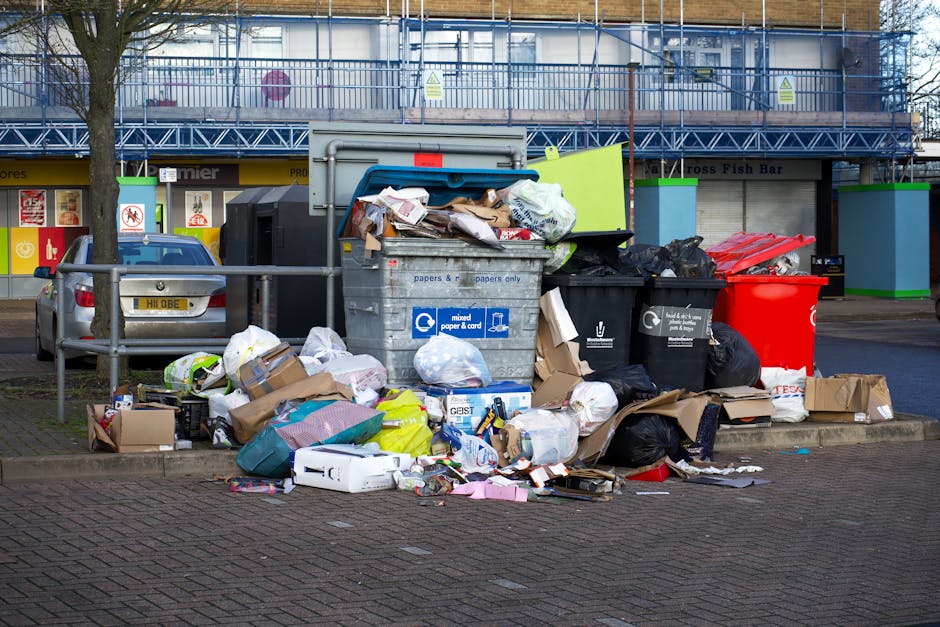
Chertsey Road waste and rubbish collection rules in Woking
If you live, work, or manage a property on Chertsey Road, the waste and rubbish collection rules in Woking can feel deceptively simple at first. Put the bins out. Keep the pavement clear. Don't block the road. Easy, right? Well, yes and no. The details matter, especially on a busy stretch where homes, flats, shops, tradespeople, and deliveries can all overlap in a single day.
This guide explains how Chertsey Road waste and rubbish collection rules in Woking typically work in practice, what usually causes problems, and how to avoid the kind of mistakes that lead to missed collections, complaints, or messy frontages. You'll also find practical advice on bulky items, commercial waste, safe disposal, and when a specialist service makes life much easier. To be fair, most issues are preventable once you know the basics.
Table of Contents
- Why Chertsey Road waste and rubbish collection rules in Woking Matters
- How Chertsey Road waste and rubbish collection rules in Woking Works
- Key Benefits and Practical Advantages
- Who This Is For and When It Makes Sense
- Step-by-Step Guidance
- Expert Tips for Better Results
- Common Mistakes to Avoid
- Tools, Resources and Recommendations
- Law, Compliance, Standards, or Best Practice
- Options, Methods, or Comparison Table
- Case Study or Real-World Example
- Practical Checklist
- Conclusion
- Frequently Asked Questions
Why Chertsey Road waste and rubbish collection rules in Woking Matters
Waste rules matter most when they are ignored, which sounds obvious until you see a pavement blocked by an overfilled bag, a broken wardrobe, or a pile of builder's rubble that's been left "just for the morning." On a road like Chertsey Road, that can create a chain reaction: pedestrians have to step into the carriageway, neighbours get frustrated, collections are delayed, and the frontage starts looking untidy very quickly.
There's also a practical side. In mixed-use areas, rubbish management affects access, safety, odour, pests, recycling performance, and how smoothly a property functions day to day. If you run a business nearby, it can also affect your image. A neat bin store says something very different from a loose stack of cardboard soaking through after rain at 7:30 on a Thursday morning.
And then there is the boring-but-important bit: different waste types need different handling. General rubbish, recycling, bulky items, electricals, and hazardous waste are not all treated the same. Mixing them up can create extra charges, rejected loads, or unnecessary hassle. That's one of the reasons a little planning goes a long way.
Expert summary: The best results on Chertsey Road usually come from simple habits: sort waste early, keep collections accessible, avoid overloading bins, separate bulky items, and use the right service for the right waste stream.
How Chertsey Road waste and rubbish collection rules in Woking Works
In practice, rubbish collection on a road like Chertsey Road usually depends on a combination of property type, collection provider, bin capacity, access, and the sort of waste you need removed. A domestic house with rear access will be managed differently from a flat above a shop or a business with front-of-house bins. That sounds obvious, but the day-to-day effect is huge.
For regular household waste, the main expectation is simple: present the correct bins or bags at the right time, in the right place, without causing an obstruction. For flats, there may be shared bin stores or scheduled collections that depend on communal access. For businesses, the rules are often stricter because waste must be stored safely and collected in a way that does not interfere with customers, staff, or passers-by.
Bulky waste is a separate matter. A sofa, mattress, broken freezer, or old shelving unit is not something you should just leave on the kerb and hope for the best. If you need help with items like that, services such as mattress and sofa disposal, fridge and appliance removal, or broader waste removal can be a cleaner, faster solution than trying to piece together a one-off DIY approach.
Special categories also matter. For instance, some waste should be handled separately because of environmental or safety concerns. If you are dealing with chemicals, paint, oils, or sharp materials, look at hazardous waste disposal rather than treating it like everyday rubbish. The same common sense applies to confidential paperwork, where confidential shredding can reduce risk and keep sensitive records out of normal bins.
One of the trickiest parts is timing. The road might be straightforward at 10am and awkward at 5pm. Parking, traffic flow, and pedestrian movement change through the day. So even when a collection is technically allowed, it still has to be placed in a way that keeps the street usable. That little detail is where many issues begin.
Key Benefits and Practical Advantages
Following the right collection rules is not just about avoiding problems. It can make your week run smoother. Once the system is set up properly, waste disappears instead of hanging around as a nuisance in the hallway, the front garden, or the loading area behind the building.
- Cleaner frontage: tidy bins and prompt collection improve how a property looks and feels.
- Less pest risk: waste stored correctly is less likely to attract flies, foxes, or general unpleasantness.
- Fewer delays: clear access means crews can work efficiently instead of juggling obstacles.
- Better recycling outcomes: separating materials properly makes the whole process more effective.
- Lower stress: nobody wants to spend a Saturday morning dragging bags back inside because the collection could not happen.
For businesses in particular, there is a commercial benefit too. Good waste practice supports a more professional appearance, and it reduces the chance of complaints from nearby residents or other occupiers. If you are running a premises with regular waste output, it can be worth reviewing business waste removal alongside your collection schedule. You may also want to think about recycling and sustainability if you are trying to reduce what goes to general waste.
There is a quieter benefit as well: less clutter makes people behave differently. A clean yard, tidy kerbside, or neat bin store tends to stay tidier. Mess breeds mess. Good habits do the opposite.
Who This Is For and When It Makes Sense
This topic matters to more people than you might first expect. It is not only for landlords or shop owners. If you live on Chertsey Road, rent a flat, manage a shared property, run an office, or are mid-renovation, the rules affect you directly.
You will especially benefit from understanding the collection setup if you are:
- a homeowner preparing for a clear-out or move
- a tenant trying to avoid bin issues with neighbours or a landlord
- a managing agent looking after a block of flats
- a business owner with daily or weekly waste output
- a tradesperson dealing with renovation debris
- someone clearing garages, lofts, or outbuildings
Sometimes it makes sense to handle waste through your normal bins. Sometimes it doesn't, and that's the honest answer. If you're clearing a garage full of old furniture, broken garden tools, and a fridge that has seen better days, trying to force everything into standard bins is usually a false economy. In those cases, services like garage clearance, garden clearance, or furniture clearance may save time and prevent a lot of lifting.
And for bigger clear-outs, especially after a tenancy ends or before a refurbishment starts, options such as house clearance, home clearance, or flat clearance are often the sensible route. You do not need to turn a simple waste problem into a weekend ordeal. Life is short, after all.
Step-by-Step Guidance
Here's a practical way to approach waste and rubbish on Chertsey Road without making it complicated.
- Identify the waste type. Separate general rubbish, recycling, bulky items, electrical items, and anything potentially hazardous.
- Check your storage space. Decide whether waste can be kept safely indoors, in a bin store, or in a rear area before collection.
- Prevent contamination. Keep food waste out of cardboard, avoid mixing liquids into dry waste, and don't shove random bits into recycling to "see if it fits."
- Plan the timing. Put bins or bags out according to your local collection arrangement and only when they can be collected without blocking access.
- Keep walkways clear. Pathways, driveways, shopfront entrances, and shared access routes should stay usable.
- Manage bulky items separately. If an item is too large or unsuitable for normal collection, book the right service.
- Handle special waste carefully. Paint, chemicals, sharps, contaminated materials, and confidential documents should not go into ordinary bags.
- Confirm the end point. If waste is being removed from a property or business, make sure it goes to the appropriate route for disposal or recycling.
A practical example: if you are replacing an old sofa and a broken appliance, don't wait until the night before to deal with it. It is much easier to schedule removal in advance than to discover at 8pm that the item is too heavy for the stairs, too awkward for the car, and too large for the bin. We've all seen that moment of quiet panic. Not ideal.
If you are preparing waste for a wider project, it can also help to review builders waste clearance before demolition or refurbishment starts. Construction debris behaves differently from household rubbish, and it needs a proper plan from the beginning.
Expert Tips for Better Results
The people who seem to have waste under control usually are not lucky. They just do a few small things consistently.
- Use a staging area. Set aside one spot for waste so it doesn't spread across the property.
- Flatten cardboard early. Cardboard takes up far less room once broken down properly.
- Keep wet and dry waste apart. This is one of the easiest ways to improve recycling and reduce mess.
- Label special items. If several people use the same bin store, labels avoid confusion.
- Schedule removals before deadlines. End-of-tenancy jobs and office changes are much calmer when waste is planned, not rushed.
- Protect access points. If a crew has to lift through a tight doorway or down stairs, clear that route in advance.
For office or shared commercial spaces, it is often worth pairing waste planning with office clearance or a broader business waste removal arrangement. That way, desks, printers, paper, and general rubbish do not become a last-minute scramble. And if there are items with sensitive data or business documents mixed in, confidential shredding is a tidy extra layer of safety.
One more thing: if you are unsure whether something can go into standard collection, pause and check before putting it out. That simple pause can save a lot of grief later. Honestly, half the battle is just not guessing.
Common Mistakes to Avoid
Most waste headaches come from a small set of repeat mistakes. Nothing dramatic. Just everyday slips that snowball.
- Leaving rubbish where it blocks the pavement or frontage. This creates inconvenience and may cause complaints.
- Mixing prohibited items into general waste. Batteries, chemicals, and some electricals need separate handling.
- Overfilling bins. Lids that won't close often lead to spills, pests, and missed collections.
- Putting out waste too early. Waste left out overnight can attract wind, rain damage, and scavenging.
- Ignoring bulky items. A sofa, mattress, or fridge is not just "extra rubbish." It needs a plan.
- Assuming all waste is the same. It isn't, and that assumption causes most of the avoidable problems.
There's also the classic mistake of waiting until the space is unusable before doing anything. A loft starts with one bag, then there's a shelf, then a box of old cable, then a mystery chair nobody remembers buying. That sort of thing escalates quietly. Then suddenly you need a full clearance, not a tidy-up.
For large furniture or household clutter, you may be better off using furniture disposal or house clearance rather than trying to manage everything through household bins and a few car trips. Less stress, fewer bruises, much better.
Tools, Resources and Recommendations
You do not need fancy equipment to manage waste well, but a few practical tools can make a noticeable difference.
- Sturdy bin bags: useful for splitting rubbish into manageable loads.
- Reusable containers: good for moving recycling, screws, packaging, or small loose items.
- Labels: particularly helpful in flats, offices, or shared storage spaces.
- Gloves and basic lifting aids: sensible for sharp edges, dust, or awkward furniture.
- Measuring tape: surprisingly handy if you need to check whether a bulky item will fit through a doorway or into a vehicle.
For people who want to compare approaches, the most useful pages are often the ones that explain exactly what can be taken and what should be separated. If you are unsure about skip-style disposal, what can go in a skip is a sensible place to understand common restrictions and accepted materials. For larger mixed clearances, pricing and quotes can help you think through the practical side before booking anything.
If your main concern is secure payment and paperwork, it can also help to review payment and security. That is less glamorous, admittedly, but still part of a smooth experience. And for anyone who likes to know how a company works behind the scenes, about us gives useful context about the team and its approach.
Law, Compliance, Standards, or Best Practice
Waste management in the UK comes with responsibilities, even when the job seems small. The key idea is simple: waste should be stored, handled, and removed in a way that protects people, property, and the environment. That applies whether you are a resident, landlord, contractor, or business owner.
As a rule of thumb, keep waste where it will not create a hazard or nuisance, separate categories where practical, and make sure anything handed to a collector is suitable for the service you have booked. If you produce business waste, you should be particularly careful about keeping records and using legitimate disposal routes. If a load contains hazardous or specialist items, it needs the correct treatment, not guesswork.
There is also a best-practice angle around access and safety. Crews should be able to work without avoidable risks, and residents or passers-by should not be forced around loose bags, sharp edges, or unstable piles. That is true on a busy road like Chertsey Road, and it is just common sense.
At the policy level, responsible operators usually also pay attention to safety and handling procedures. If you want to understand the standards behind the service experience, pages such as health and safety policy, insurance and safety, and recycling and sustainability can be useful references. They help set expectations about careful work, responsible disposal, and practical environmental awareness.
Options, Methods, or Comparison Table
If you are deciding how to handle rubbish on or around Chertsey Road, the best method depends on the scale, type, and urgency of the waste. Here's a simple comparison.
| Method | Best for | Strengths | Limitations |
|---|---|---|---|
| Standard bin collection | Routine household rubbish and everyday recycling | Simple, familiar, low effort | Limited capacity, not suitable for bulky or specialist waste |
| DIY transport | Small volumes of non-hazardous waste | Flexible, can be economical for tiny jobs | Time-consuming, physically awkward, vehicle and access issues |
| Skip-style disposal | Renovation debris, mixed bulky loads, ongoing projects | Handles volume well, useful for larger clear-outs | Requires space, planning, and understanding of acceptable materials |
| Man and van / clearance service | Furniture, appliances, house clearances, office clearances | Fast, convenient, useful for awkward items | Needs clear booking and item lists for best pricing |
For many readers, the sweet spot is a clearance service rather than trying to force everything into bins. If the job includes furniture, a mattress, a fridge, or mixed clutter, it is often simpler to choose a specialist route than to improvise. That is especially true for smaller properties where storage space is limited. A cramped hallway can become a very annoying obstacle very quickly.
Case Study or Real-World Example
A typical example might look like this. A small property on Chertsey Road is being cleared before new tenants move in. The outgoing occupant has left behind a tired wardrobe, a broken bedside table, several bags of mixed rubbish, and a fridge that no longer runs properly. The bins are already full for the week, and the front path is narrow.
If someone tried to handle that through ordinary collection alone, the result would probably be a messy, drawn-out process. Bags would sit around. The fridge would remain in the way. The wardrobe would need dismantling, which then creates more loose pieces. Not ideal at all.
Instead, the practical route is to sort the load into categories, move any confidential papers aside for shredding, separate the appliance, and arrange the right removal method for each item. In many cases, a combination of flat clearance, fridge and appliance removal, and general waste removal would solve the problem cleanly in one visit.
The result is boring in the best way: no clutter, no blocked passage, no guesswork. And that is usually what people actually want. Boring and done.
Practical Checklist
Before you put anything out or book a collection, run through this quick checklist.
- Have I identified the waste type correctly?
- Is anything hazardous, confidential, electrical, or bulky?
- Will the collection point stay clear for pedestrians and vehicles?
- Have I avoided mixing recycling with general rubbish?
- Are bin lids closed and bags secure?
- Do I know what should be kept separate?
- Have I planned for awkward items like mattresses, sofas, or appliances?
- Is the timing right for the street and the property?
- Do I need a specialist service instead of ordinary collection?
- Have I checked the fine detail before assuming something is acceptable?
If you can tick most of those off, you are already ahead of the curve. It is the small stuff that keeps a collection smooth, not heroic effort at the last minute.
For more complex clear-outs, especially where a whole room, garage, or office needs attention, it can help to compare loft clearance, garage clearance, and office clearance depending on the space involved. The right match usually makes the whole process much calmer.
Get a free quote today and see how much you can save.
Conclusion
Chertsey Road waste and rubbish collection rules in Woking are really about three things: keeping access clear, separating waste properly, and using the right method for the job. Once you understand those basics, most of the friction disappears. What remains is simply good housekeeping, done consistently.
If you are only dealing with a weekly bag or two, the process should stay straightforward. If you are facing bulky items, mixed rubbish, business waste, or a clearance that has crept into a much bigger project, don't force it into the wrong system. That's where delays and stress tend to start. A little planning now usually saves a lot of bother later.
And if you are standing there looking at a pile of stuff and wondering where it all came from, you are not alone. That moment happens to almost everyone. The good news is that it's fixable, and usually quicker than you think.
With the right approach, waste on Chertsey Road becomes one less thing to worry about, and that is a genuinely good feeling.
Frequently Asked Questions
What are the main waste and rubbish collection rules on Chertsey Road in Woking?
The main rules are usually about correct presentation, safe access, proper separation of waste types, and not blocking the pavement or road. The exact setup depends on the property, collection provider, and the type of waste involved.
Can I leave bulky rubbish on the pavement for collection?
Not usually without arranging the correct service first. Bulky items such as sofas, mattresses, and appliances often need a specialist collection rather than standard bin disposal.
What should I do with a broken fridge or washing machine?
Electrical appliances should be handled separately from ordinary household rubbish. A dedicated appliance removal service is normally the safer and more practical option.
Can business waste go in household bins?
It is generally better not to mix business waste with household collections. Business waste often needs its own arrangement so storage, handling, and disposal remain compliant and manageable.
What if my bins are already full before collection day?
Do not overfill them or leave loose bags scattered around. If the volume is consistently too high, you may need a bigger or more frequent waste arrangement.
Is it okay to put garden waste in the general rubbish bin?
Small amounts may sometimes be manageable, but larger volumes are better handled separately. Garden materials can be bulky and awkward, so a dedicated clearance is often easier.
How do I handle confidential papers or documents?
Use a secure shredding route rather than normal rubbish disposal. It reduces the risk of sensitive information being exposed.
What waste items are usually classed as hazardous?
Items like chemicals, oils, some paints, and other potentially harmful materials should be treated with extra care. If in doubt, do not mix them with ordinary rubbish.
How do I know whether to book a clearance service or use my own bins?
If the waste is bulky, mixed, heavy, or time-sensitive, a clearance service is often the better choice. Routine rubbish in small volumes is usually fine for regular collection.
What's the best way to avoid missed collections?
Keep access clear, present waste on time, use the correct containers, and do not overfill them. Most missed collections come down to access or presentation issues.
Do flats and shared properties follow different rubbish rules?
Often, yes. Shared storage, communal access, and multiple occupants usually mean the waste setup needs more coordination than a single house.
Where can I learn more about specialist disposal options?
You can look at relevant service pages such as furniture disposal, builders waste clearance, mattress and sofa disposal, and recycling and sustainability to better match the service to the waste you need removed.
What should I do before booking a waste clearance?
List the items, separate anything hazardous or confidential, check access, and decide whether you need a full clearance or a targeted removal for a few large items. A bit of prep makes the booking smoother, honestly.
If you need help with a property clear-out, business waste, bulky items, or a mixed load that's proving awkward, it's usually best to speak with a team that handles this kind of work every day. For more information about the company and its approach, see about us or use contact us to discuss the details.